

Gary Logan was born in Trinidad and Tobago in 1970 and raised in the United States. He attended Boston University, where he received his Bachelor of Fine Arts and Master of Fine Arts in Painting. During his time in Massachusetts, he also developed a career in education and social service while initiating his career as an artist. He later relocated to New York and New Jersey for ten years, where he was employed as an art educator in various public schools, and then he subsequently lived in São Paulo, Brazil, where he advanced his art career while exploring Brazil’s diverse landscape and culture for a period of three years. After returning to the United States, he lived in Miami, Florida, further developed his body of work, and was employed as a visual arts director at a school for the arts. He currently resides in Seattle, Washington and devotes his time to his studio practice and teaching art. Along with his individual and group exhibitions in Massachusetts, New York, New Jersey, São Paulo, South Florida, St. Louis, and Venice his artwork has been highlighted in periodicals such as All the Art, Bostonia Magazine, and the literary journals, Callaloo and Agni. In 1999, he was awarded The Phillip Guston Prize along with poet Eric McHenry for their artist collaboration featured in Agni.


AVAILABLE WORKS


ARTIST STATEMENT
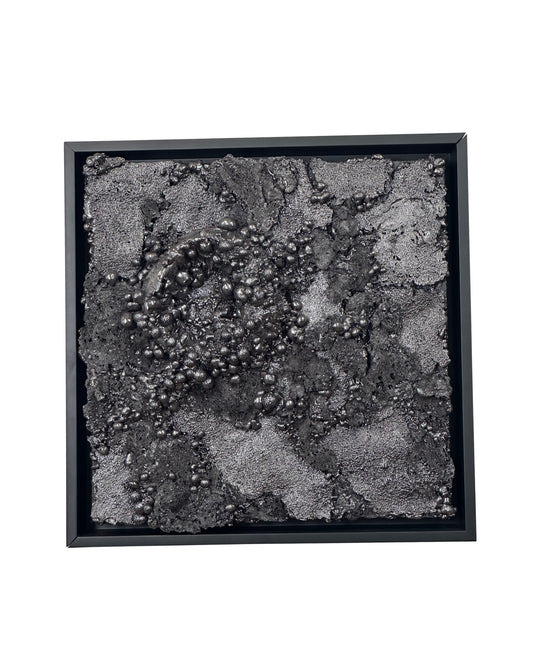
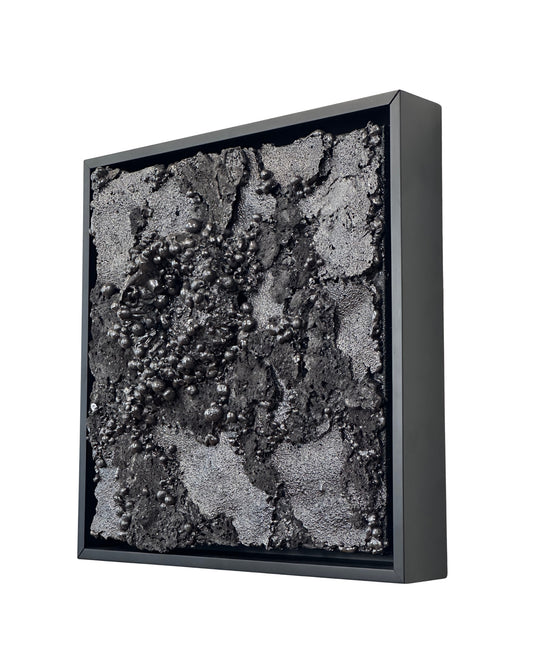
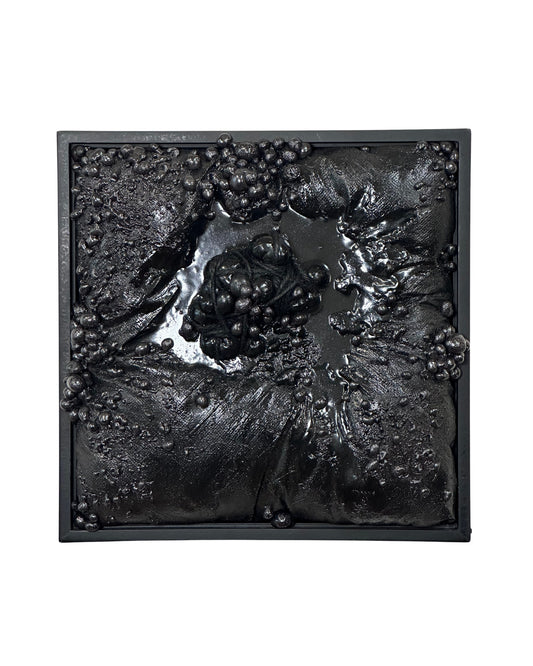
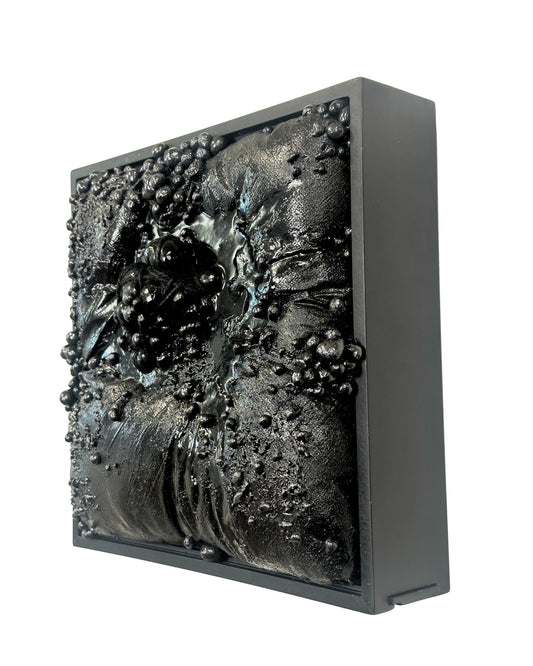
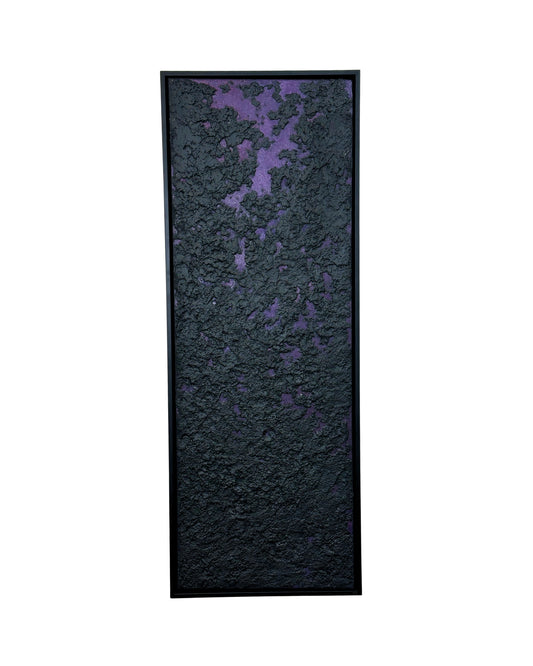
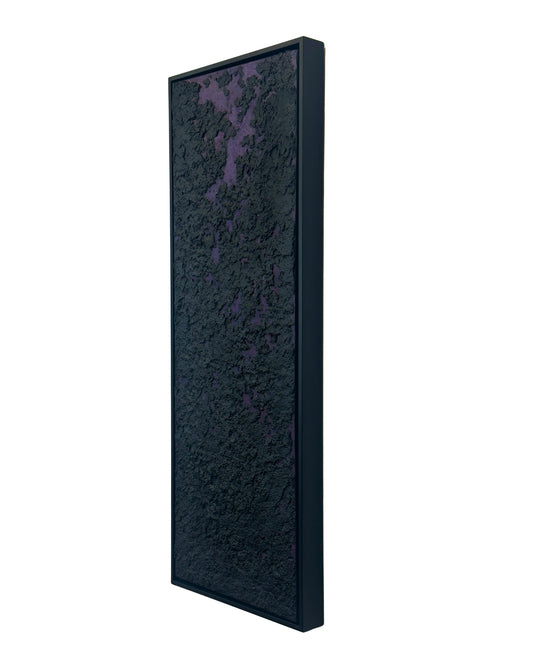
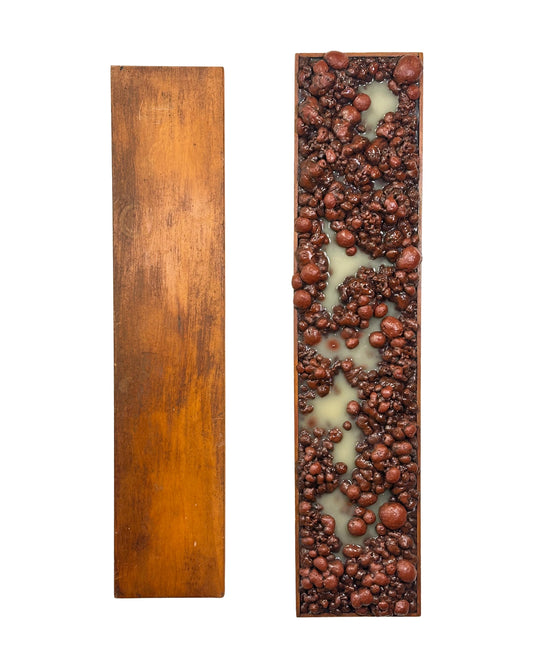
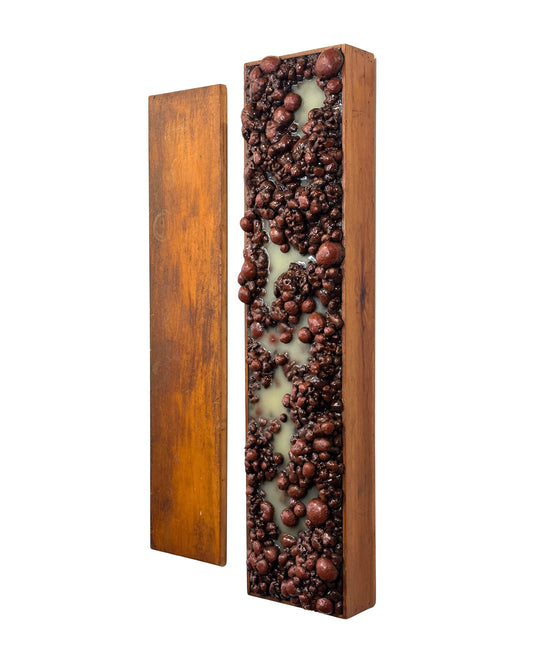
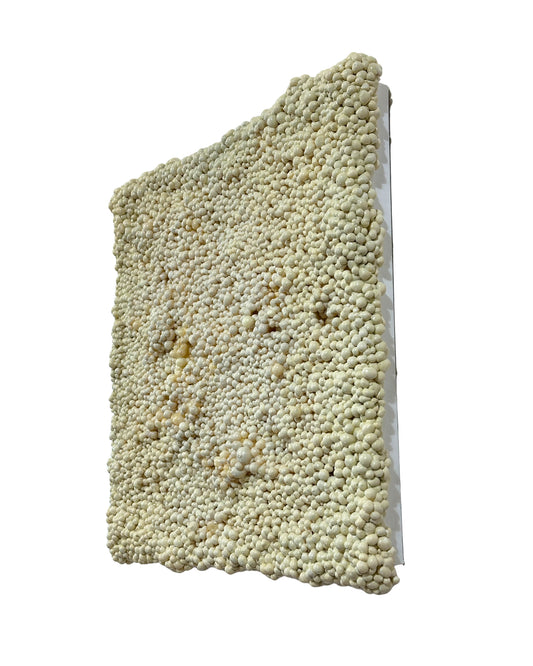
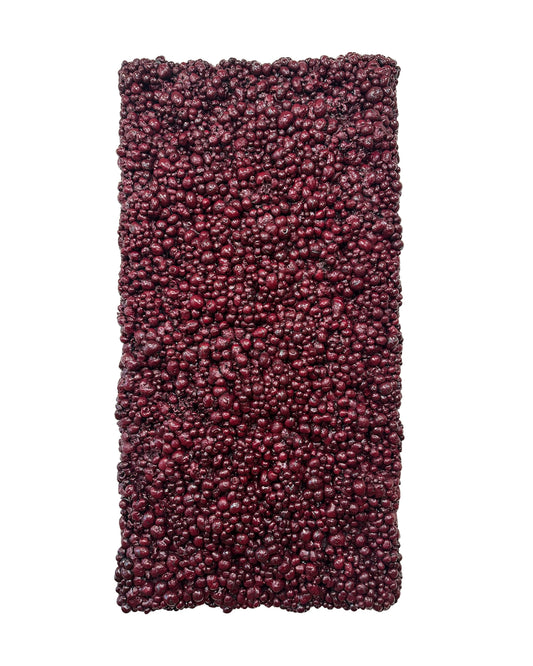
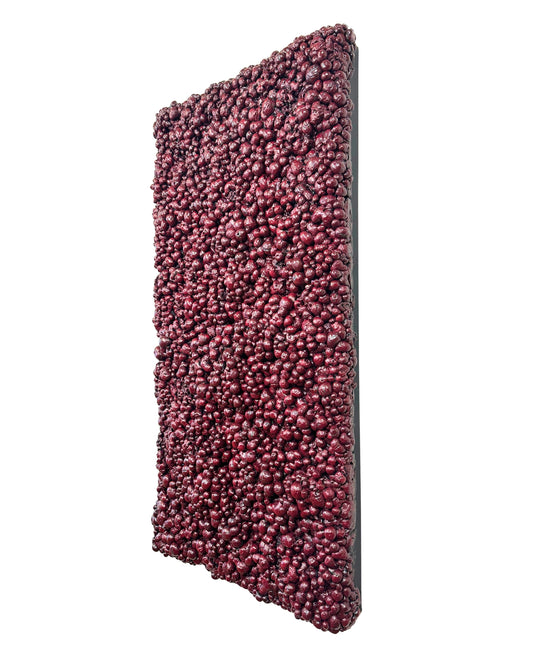
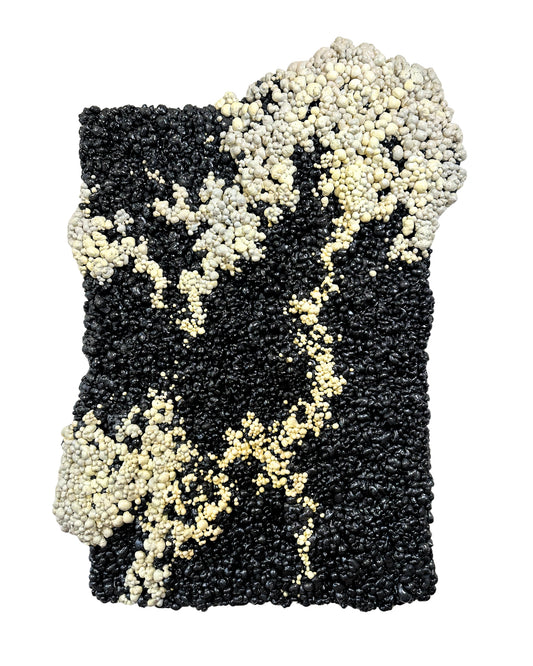
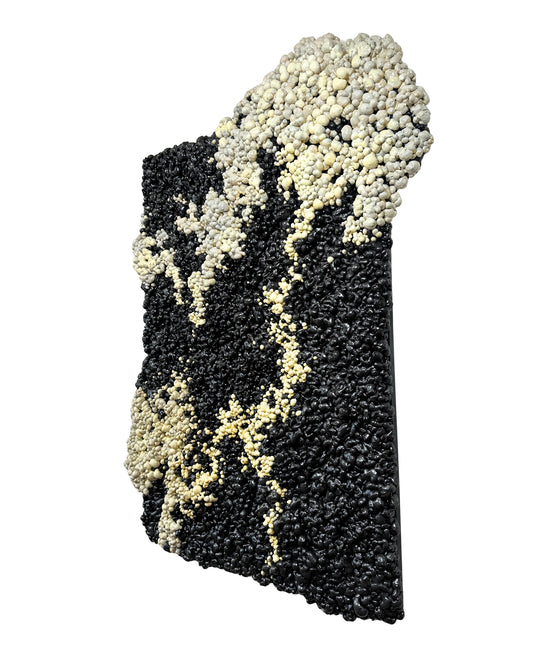
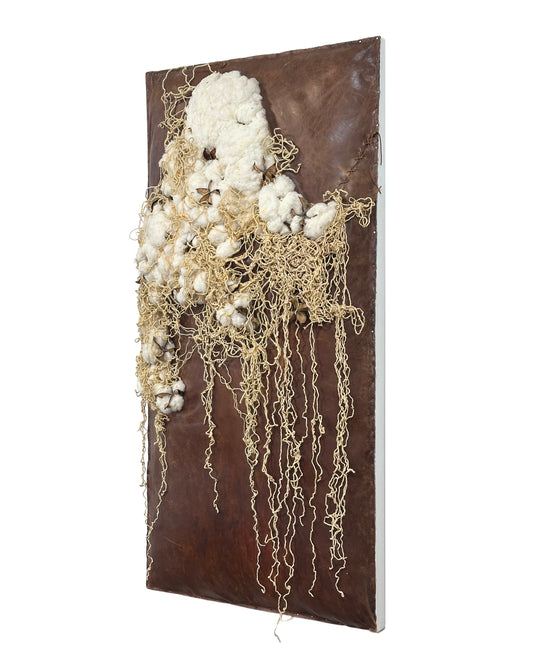
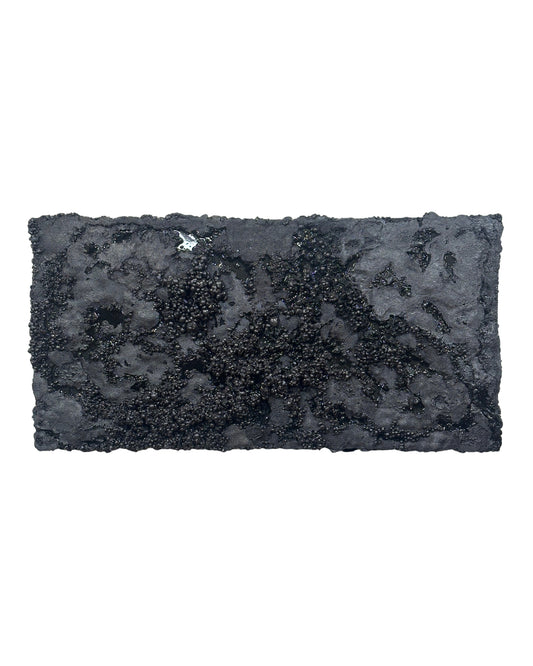
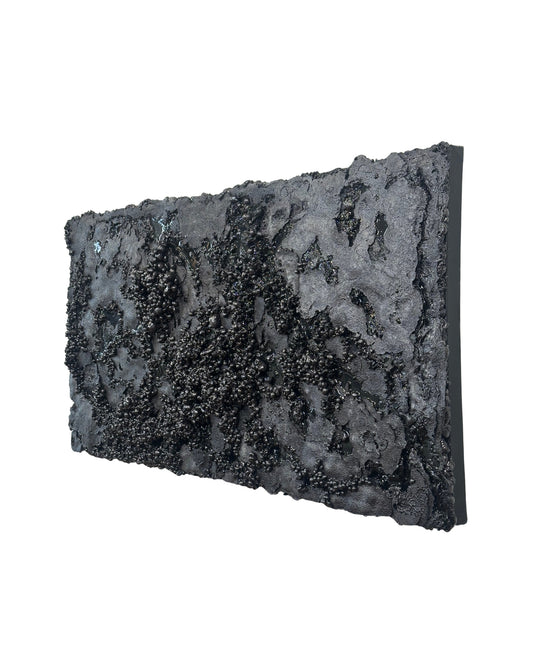
Gary Logan’s recent images blend the boundaries between painting and relief sculpture. Fractured surfaces shift and erupt to expose teeming biomorphic masses existing amidst strange, primordial terrains riddled with linear crevices, recesses, and perforations. Logan strives to produce enigmatic pieces that vacillate between microscopic and macroscopic imagery while commenting on the profound, elemental bonds between us and our earthly surroundings. His work merges the material world with the metaphysical to produce compositions that draw parallels between the creative and destructive forces that shape our world and similar emotional states that constitute human nature. Logan’s heavily textured, often monochromatic artwork fuses scientific speculations on evolution, genetic diversity, and environmental devastation with raw sentiments to produce profound statements on the psychosocial complexities of human identity.
Logan draws inspiration from a myriad of scientific references—from the spherical forms of atoms, cells, and even microbes to the linear structures of veins, roots, and fissures. These organic details often exist within spaces that display his fascination with physical science, evolution, and ancestry, as well as his recent musings on epigenetics and genetic modification. Materiality is elemental to his work as he experiments with a variety of both organic and artificial materials, as well as traditional and non-traditional media that add three-dimensional form and physicality to the works’ two-dimensional surfaces. The protean structures in his work are heavily laden with symbolism related to his choice of materials; some images reflect the plasticity of life and human adaptability, while others appear metallic, protective, or potentially dangerous. His frequent use of plastic comments on the material’s malleable properties just as his pervasive use of the material remarks on our addiction to it.
Beyond his undulating, fractured landscapes or mounds of evolving organisms, Logan produces work that is deeply personal yet universally resonant. As a man of Afro-Caribbean descent, Logan deeply embraces his African heritage, replete with its cultural richness, periods of struggle, and moments of progress, to create images that honor his ancestors while ultimately delving below the skin to reclaim, magnify, and celebrate their humanity that had been historically shamed, subjugated, and erased. Concurrently, his visceral images also expose the damaging consequences of unbridled patriarchy and the multigenerational impact of human oppression, and function as abject forebodings of environmental collapse. Just as lifeforms are crafted both by genetics and their environments, Logan’s work examines how society either enriches and nurtures or subjugates and erodes one’s personage and cultural identity.
Logan’s work reminds us that we are gifted with essential elements from the universe and specifically from this bountiful planet. He aims to reunite us with our primeval, single-celled common ancestor as well as honor the ancestral Eve that crafted and spread her genes from Africa to further parts of this world. Ultimately, his work beckons us to relish and reclaim our bond to the natural world, to look beyond our superficial differences, and to reimagine a world where humanity is much more than a plague or a destructive force on this planet.